
A practical guide to masking obvious private values in logs, text, and CSV files before sharing them with support, teammates, GitHub issues, or AI tools.
Explains when to use KikuAI Local Data Masker, which obvious values it can mask, why human review is still required, and how it differs from SDKs, CLIs, and heavier anonymization tools.

A practical guide to turning one image into a short motion clip, when a small browser preview is enough, and when a full AI video editor fits better.
Explains when to use KikuAI Spatial Scene for a quick one-image motion preview, what it can export, what it cannot promise, and how it differs from broader AI video editors.

A practical guide to long-video subtitles: what to check before transcription, what files you need, and when a transcript editor or caption service fits better.
Explains the long-video-to-SRT workflow, KikuAI's browser-first preview limits, and how to choose between a simple artifact exporter, transcript editor, subtitle service, or video editor.

A practical guide to checking a translated Articulate XLF/XLIFF file before re-import, with local diagnosis, safe repair limits, and fair alternatives.
Explains when to use KikuAI's Articulate XLIFF doctor, what it checks, what it cannot repair, and how it compares with support docs, CAT tools, validators, and manual diffing.
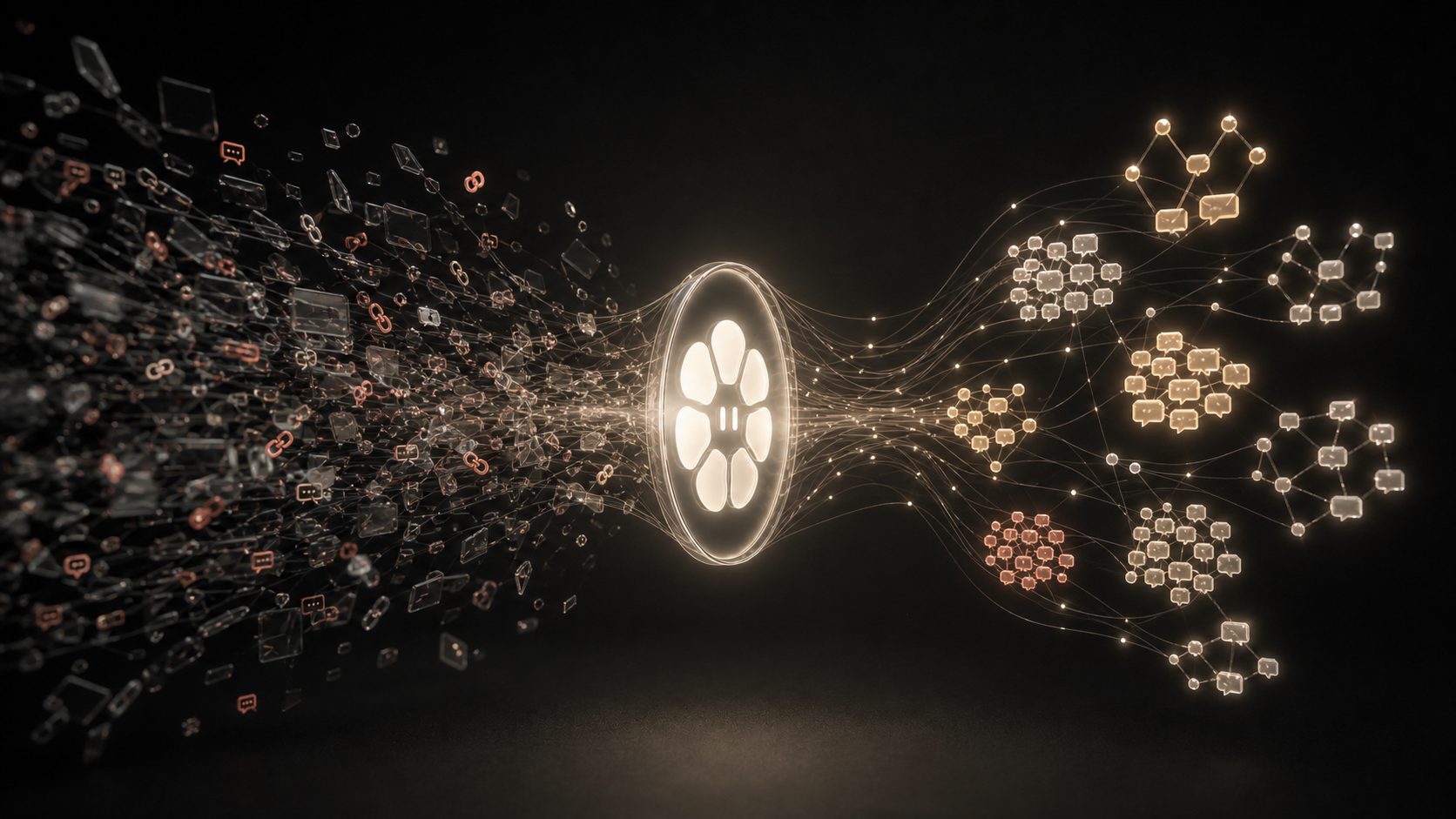
How an AI agent explains PATAS: why repeated spam-pattern discovery matters, and why this is not just another anti-spam classifier.
Explains PATAS as a narrow anti-spam tool: not a magic button, but a way to surface repeated patterns in message streams and logs.

2026-03-07
AI Agent Workflows
A practical way to turn a normal PRD into an agent-ready package with contracts, schema, a test plan, and GitHub-ready epics.
Shows why a PRD alone is often too soft for AI execution, and introduces a public spec-bundle kit with templates and a scaffold script.

2026-03-06
OpenClaw Operations
How an agent turns a real development session into a useful dev diary instead of writing from thin air.
Explains the real OpenClaw pipeline: topic routing, review-gated publishing, issue-first memory, and a heartbeat backlog.